
Moving tips
Moving With Cats and Other Pets
By TLC Moving & Storage · Published 22 August 2023
Shut your cat in a quiet room with food, water and a litter box before the crew arrives, put a sign on the door, and drive it to the new home yourself in its carrier. Start it in one room there and open the house up slowly. Dogs and other pets follow the same plan.
Why moving day is risky for a cat or dog
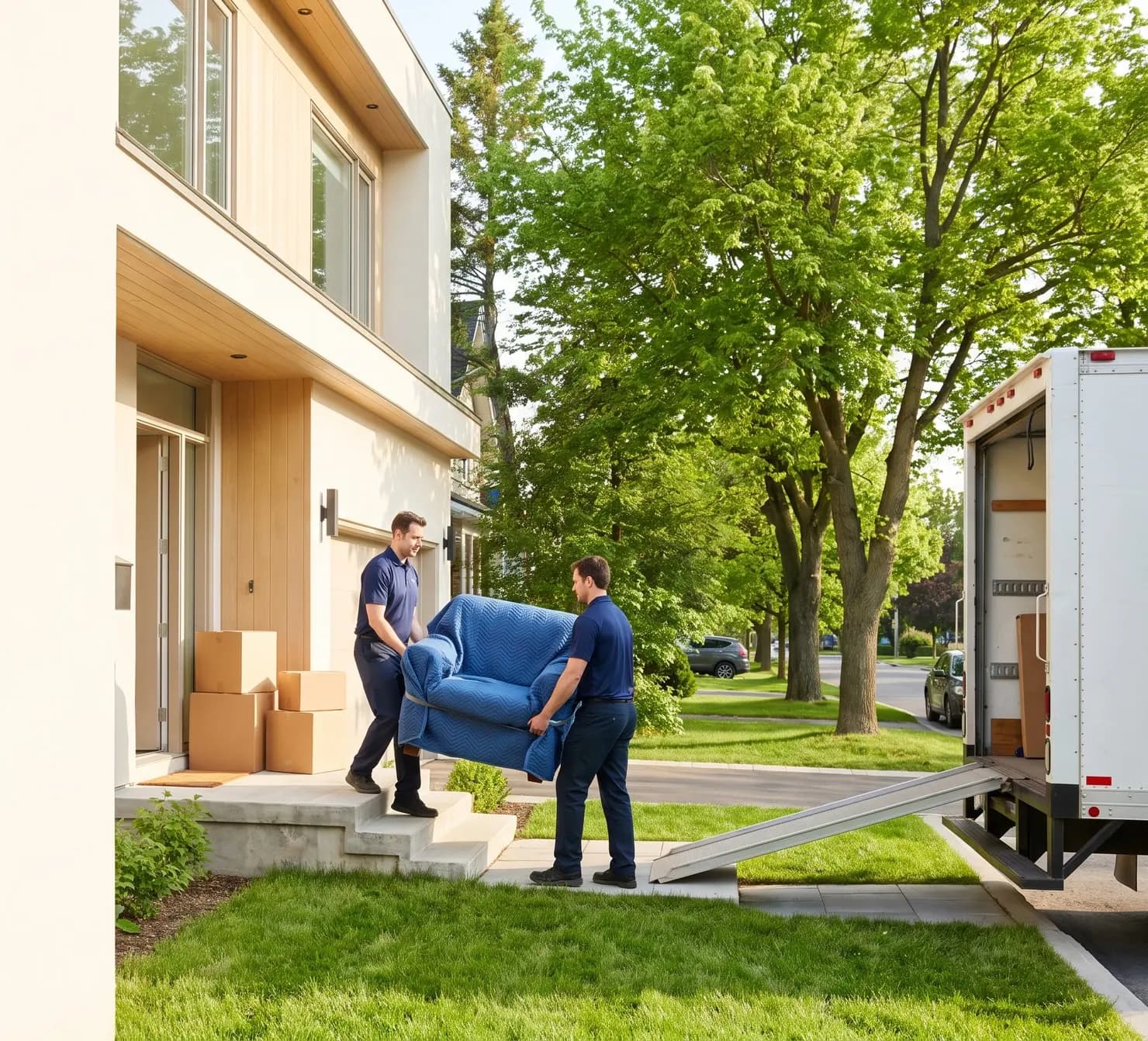
On moving day the front door stays open for hours while strangers carry furniture out. For a cat frightened by noise, an open door is an exit, and a dog underfoot is a risk for the dog and the crew.
At TLC the day is planned before the truck arrives, and the crew follows the plan. Include your pet in it. Tell our movers in Ottawa at the estimate which room the pet will be in, so the plan leaves that room and its closed door until last.
What a safe room needs on moving day
Pick a small room you can empty last, such as a bathroom. Before the crew arrives, set it up with:
Food, water and the litter box
Enough for the whole day.
Its bed and the carrier
With the carrier door open, so a cat can hide inside.
A sign on the door
Something like "Cat inside, keep closed", so everyone knows not to open it.
How to move a cat to a new home
Your cat travels with you, in your own car. Get it used to the carrier weeks ahead: leave it open where the cat sleeps, add treats and bedding, then try a few short drives. Choose a carrier it can stand up and turn around in, with good ventilation and a door that locks.
Keep the cat in the carrier until its room at the new home is ready. Ask your vet before a big move. Your cat cannot go into storage with your furniture: TLC's list of what not to put in moving and storage includes pets and plants.
How long a cat takes to adjust
Cats vary, so let yours set the pace. A common guide is the 3-3-3 rule described by the Animal Humane Society: three days to decompress, three weeks to let their guard down and three months to feel comfortable. In practice:
The first night: one room
Its bed, toys, scratching post, food, water, litter box and a piece of your clothing, set up before the cat is let out of the carrier.
The first days
A cat may hide and be slow to eat. Keep the space quiet and feed at the same times each day.
The house a room at a time
Open more rooms as it starts eating, using the litter box and exploring calmly.
Indoors while it settles
A cat let out too soon may try to find its way back to the old home. Ask your vet when to let it out.
Moving with a dog: where it spends the day
Pick the option that suits your dog:
With a friend or a sitter
Someone your dog already knows, for the hours the truck is loading and unloading.
A closed room with water
A quiet room you empty last, with its bed, water and a sign on the door.
Out on a walk
Spend the loading hours walking and playing with your dog. It calms you both.
Settling a dog into the new home
Dogs rely on habit, so make the new place familiar first:
Set up its space first
Bed, toys, bowls and a piece of your clothing, before it explores the rest of the house.
Keep the routine
The same meal and walk times as before the move, and lots of walks around the new neighbourhood.
Call the vet if it stops eating
The stress of a move can make a dog unwell. If it stops eating, or vomiting or diarrhea goes on, have it checked.
Ottawa registration, leash and outdoor rules
The City of Ottawa requires cat and dog owners to register their pets and renew every year. After a move you can update the address and phone number on the registration through My ServiceOttawa.
Dogs must always be on a leash unless they are on private property with the owner's consent or in a designated off-leash area, and failing to pick up after your dog is an offence. Cat owners are not required to keep cats leashed or indoors, but the City expects them to control a cat's outdoor activities.
Moving pets a long way, or to the US
Pets travel with you, by car or plane. Our long distance movers in Ottawa move families across Ontario, to Quebec and the Maritimes, across Canada and to the United States. Once the truck leaves nobody can run back for a forgotten box, so settle the pet plan first. Before a long move:
See the vet
Get vaccination and health records and enough medication for the trip and the first weeks.
Update the tags and microchip
Your new address and phone number on the tag, and the microchip registry updated.
Dogs going to the US
The CDC requires a Dog Import Form receipt, a microchip, a dog at least six months old and healthy on arrival. The CFIA warns that a dog that does not meet U.S. rules may be refused entry and returned at the owner's expense.
Cats going to the US
A Canadian licensed veterinarian completes any documents needed and the CFIA says its endorsement is not required, but state rules can add to that.
Questions about moving with TLC
How long does it take for a cat to adjust to a new home?
Cats vary. The Animal Humane Society describes a 3-3-3 pattern: about three days to decompress, three weeks to let their guard down and three months to feel comfortable. Keep it in one room first, keep the routine and let it come to you.
How do I move a cat to a new home?
Keep it in a closed safe room on moving day, drive it yourself in its carrier, start it in one room at the new home, and open the house up gradually.
Do I need to register my cat in Ottawa?
Yes. The City of Ottawa requires cat and dog owners to register their pets and renew every year. Update the address through My ServiceOttawa when you move.
Where should my dog be on moving day?
Somewhere calm and away from the open door: with a friend or sitter, in a closed room with water, in a secure yard, or out walking with you while the truck is loaded.
Free moving quote
Get your free estimate
Tell us about your move and we will come back with a free, obligation-free estimate. You can also call (613) 830-7402.