



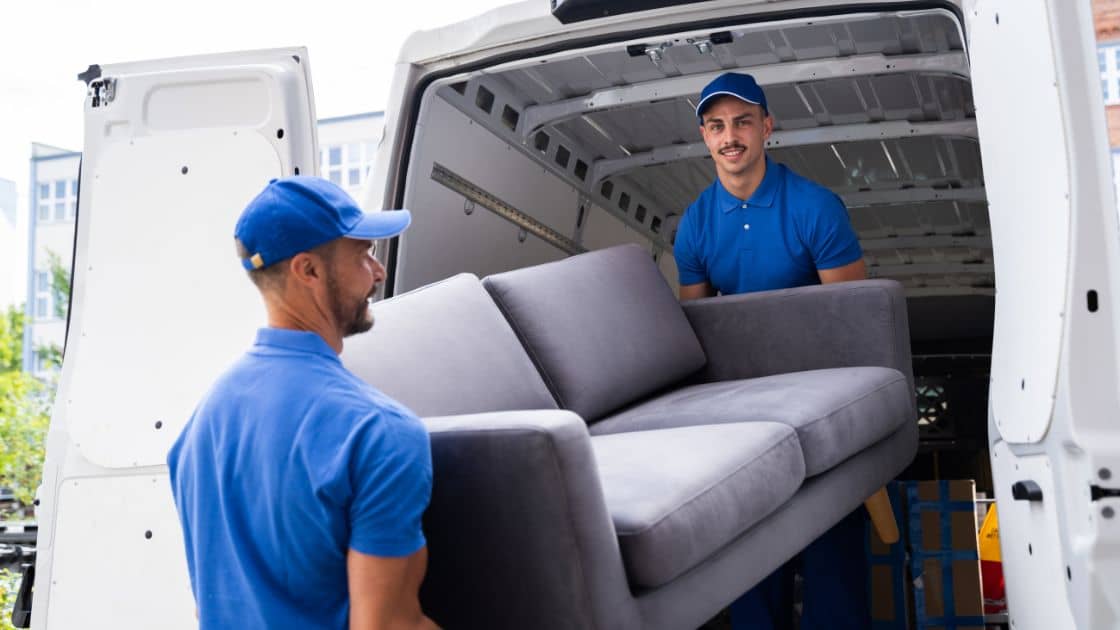
Furniture protection is one of the most important parts of any move, and it’s also one of the easiest places for a move to go wrong.
I’ve seen it happen too many times. A move seems “fine” until someone arrives at the new home in Ottawa or Montreal and notices:
- A deep scratch across a dining table
- A dent in a dresser corner
- A ripped couch cushion
- A chipped mirror
- A broken bed frame leg
- A damaged leather chair
- A TV stand that suddenly wobbles
And the worst part is, most of this damage is preventable.
When I move furniture between Ottawa and Montreal, I don’t treat protection as an optional add-on. I treat it like the core of the move. Because moving isn’t just about transporting items from Point A to Point B. It’s about delivering them safely, in the same condition they started in.
In this blog, I’m going to walk you through what I do differently to protect furniture during moves in Ottawa and Montreal. I’ll cover the exact process I follow, the mistakes I avoid, and the strategies I use to keep furniture safe in tight Ottawa staircases, narrow Montreal hallways, winter weather, and long-distance travel between cities.
This is written for anyone searching for:
- Ottawa moving
- Montreal moving company near me
- Moving company near me
- Long-distance movers Ottawa
- Long-distance movers Montreal
- Furniture movers near me
- Residential movers Ottawa
- Packing and moving services
- Moving help near me
- Storage solutions Ottawa
- Storage solutions Montreal
- Best movers Ottawa
- Best movers Montreal
Let’s get into it.
Why Furniture Gets Damaged During Moves (And Why It Happens So Often)
Furniture damage usually happens for one of four reasons:
1. Furniture Wasn’t Protected Before It Was Moved
Many people assume furniture is “strong enough” on its own.
But furniture is not designed to be dragged through doorways, squeezed around corners, or stacked inside a moving truck.
2. Furniture Was Moved Through Tight Spaces Without a Plan
Ottawa homes often have:
- Narrow basement staircases
- Tight hallway turns
- Sharp corners at landings
Montreal homes and apartments often have:
- Narrow staircases
- Tight entrances
- Steep steps
- Tight hallway turns
- Older building layouts
Moving furniture without a plan through these spaces is a recipe for damage.
3. The Truck Was Loaded Poorly
Even if furniture is protected, a poorly loaded truck can cause:
- Items shifting
- Heavy items pressing into fragile items
- Corners rubbing during transport
- Legs snapping under weight
4. Furniture Was Exposed to Weather
Ottawa and Montreal both deal with:
- Rain
- Snow
- Ice
- Salt
- Slush
- Sudden temperature changes
Weather damage is extremely common and often overlooked.
The Biggest Difference in My Approach: I Protect Furniture Before It Moves, Not During
One of the most common mistakes people make is trying to “protect furniture as they go.”
That’s too late.
Once a couch is halfway down a staircase, or a dresser is wedged in a hallway, you can’t suddenly stop and wrap it properly.
So the first thing I do differently is simple:
I protect every piece before it moves an inch.
This means:
- Wrapping
- Padding
- Securing
- Covering corners
- Protecting fabric
- Stabilizing drawers and doors
Only after protection is complete do I move it.
Step 1: I Do a Furniture Protection Walkthrough First
Before moving day begins, I identify:
- Which pieces are high value
- Which pieces are fragile
- Which pieces have glass
- Which pieces have weak legs
- Which pieces will require disassembly
- Which pieces will be difficult in staircases
- Which pieces need extra padding
Ottawa and Montreal moves often involve:
- Large sectionals
- King beds
- Heavy dressers
- Glass dining tables
- Antique furniture
- TV stands
- Large mirrors
Each one requires a different approach.
Step 2: I Protect the Furniture Based on Its Material
This is where most people get it wrong.
They protect everything the same way.
But furniture needs protection based on what it’s made of.
Upholstered Furniture (Couches, Sofas, Chairs)
Upholstered furniture is vulnerable to:
- Tears
- Dirt
- Moisture
- Snags
- Friction in staircases
For upholstery, I focus on:
- Full coverage
- Clean protection
- Preventing friction damage
This is especially important in Montreal where staircases and hallways are often narrow and rough.
Leather Furniture
Leather is vulnerable to:
- Scratching
- Dry cracking in cold weather
- Tears from sharp edges
- Pressure dents
So I protect leather with extra care.
Leather can be damaged without any visible “impact.” Sometimes it’s just pressure from a strap or friction in a tight corner.
Wood Furniture (Dressers, Tables, Cabinets)
Wood is vulnerable to:
- Scratches
- Corner dents
- Finish damage
- Cracking under pressure
For wood furniture, I focus on:
- Corner protection
- Surface protection
- Preventing rubbing inside the truck
Wood furniture is one of the most common damage categories in Ottawa moving and Montreal moving.
Glass Furniture (Tables, Mirrors, Frames)
Glass is vulnerable to:
- Cracking under pressure
- Shattering from impact
- Chipping at edges
For glass, I focus on:
- Edge protection
- Upright transport
- No stacking pressure
- Extra secure placement in the truck
Step 3: I Disassemble Furniture More Often Than Most People Expect
A lot of people avoid disassembly because they think it adds time.
In reality, disassembly often saves time.
More importantly, it prevents damage.
I disassemble furniture when:
- A piece won’t fit safely through a tight turn
- The legs are weak or exposed
- The piece is too heavy as one unit
- The staircases are narrow (very common in Ottawa basements and Montreal buildings)
- The furniture has glass components
- The furniture is high value and needs extra protection
Examples:
- Bed frames
- Dining tables
- Large shelving units
- Sectional sofas
- Some desks
- Large wardrobes
Disassembly is one of the best ways to protect furniture.
Step 4: I Secure Drawers, Doors, and Hardware Properly
Furniture often gets damaged because drawers and doors swing open mid-move.
This causes:
- Broken hinges
- Scratched surfaces
- Cracked drawer faces
- Loose hardware
So I always secure:
- Dresser drawers
- Cabinet doors
- Desk drawers
- Sideboard doors
- Wardrobe doors
I also keep hardware in labeled bags so nothing gets lost.
Step 5: I Protect Corners Like They’re the Weakest Point (Because They Are)
Corners are the first thing to hit walls, railings, door frames, and stair edges.
So I protect corners aggressively.
This is especially important in:
- Ottawa townhomes with tight staircases
- Montreal walk-ups with narrow entrances
- Westboro condos with tight hallway corners
- Downtown Montreal buildings with tight stairwells
Corner protection prevents:
- Dents
- Scratches
- Broken trim
- Torn upholstery
- Wall damage
Step 6: I Protect the Home While Protecting the Furniture
A lot of people focus only on furniture damage.
But a move can become stressful fast if the home gets damaged too.
I protect:
- Floors
- Door frames
- Stair railings
- Wall corners
- Elevator interiors (in condos)
This matters in Ottawa and Montreal because many moves involve:
- Hardwood floors
- Fresh paint
- New builds
- Condo rules and restrictions
A move feels professional when both the furniture and the home stay protected.
Step 7: I Load the Truck Like It’s Going on a Highway (Because It Is)
Moves between Ottawa and Montreal are not “short moves.”
They involve highway driving.
And highway driving means:
- Vibration
- Braking
- Lane changes
- Turning
- Wind movement
- Shifting weight
Even if your furniture is wrapped, if it isn’t loaded properly, it can still be damaged.
So I load the truck with a specific structure.
What Goes In First
- Large heavy furniture
- Dressers
- Appliances (if applicable)
- Mattresses
- Large shelving units
These items create a stable base.
What Goes In Next
- Medium boxes
- Sturdy furniture
- Chairs
- Tables
- Wrapped items that can stack safely
What Goes In Last
- Fragile items
- Glass items
- High value items
- Essentials
The Key: Preventing Movement
The biggest goal is preventing movement.
Furniture damage during Ottawa to Montreal moves often happens because items rub together for hours.
So I plan for:
- Tight stacking
- No empty gaps
- Balanced weight distribution
- Secure placement of fragile items
Step 8: I Plan for Ottawa and Montreal Weather Like It’s Guaranteed
Weather planning is one of the biggest reasons furniture gets damaged.
Ottawa and Montreal can both hit:
- Heavy snow
- Slush
- Rain
- Ice
- Freezing temperatures
- Sudden heat waves
So I plan for weather even when the forecast looks good.
Winter Moves
In winter, I plan for:
- Salt and slush at entrances
- Wet boots and wet floors
- Cold cracking risks for wood and leather
- Ice on driveways and stairs
Rainy Moves
In rain, I plan for:
- Quick transitions
- Full coverage for upholstery
- Keeping items off wet ground
- Protecting boxes from moisture
Summer Moves
In summer, I plan for:
- Heat-sensitive items
- Humidity
- Sweaty grip risks (yes, this is real)
- Faster fatigue
Weather isn’t a minor detail. It’s a major factor.
Step 9: I Keep Fragile Furniture Separate in the Truck
Some furniture should never be stacked near other furniture.
This includes:
- Glass tables
- Mirrors
- Antique cabinets
- High gloss furniture
- Fragile shelving units
So I place these in specific zones of the truck.
This is a key difference in my approach.
Step 10: I Protect Furniture for Unloading Too (Not Just Loading)
Furniture damage often happens at the end of the move, when people are tired.
Unloading is when:
- People rush
- Grip slips
- Corners hit walls
- Furniture gets dragged
- Boxes get dropped
So I maintain the same level of protection and pacing during unloading.
Especially in Montreal where staircases can be steep and narrow.
Step 11: I Handle Long-Distance Moves Differently Than Local Moves
Ottawa moving and Montreal moving both involve local moves, but moves between Ottawa and Montreal are long-distance moves.
And long-distance moves require extra protection.
For long-distance moves, I:
- Wrap more thoroughly
- Secure loads tighter
- Avoid stacking fragile items
- Prevent any possible shifting
- Protect against temperature changes
Long-distance moves are where furniture protection matters most.
Common Furniture Protection Mistakes I Avoid Every Time
Here are the most common mistakes I avoid:
Overpacking boxes on top of furniture
Heavy boxes can crush furniture edges.
Leaving drawers full
This makes furniture heavier and unstable.
Not protecting legs
Furniture legs snap easily.
Not protecting glass edges
Glass edges chip fast.
Dragging furniture across floors
This scratches floors and damages furniture bases.
Loading without a plan
A truck load must be structured, not random.
Why This Matters for Moves in Ottawa and Montreal
Ottawa and Montreal are both beautiful cities, but they present unique moving challenges.
Ottawa moves often involve:
- Townhomes
- Suburban homes
- Basement stairs
- New builds with tight layouts
Montreal moves often involve:
- Walk-ups
- Tight staircases
- Older buildings
- Narrow hallways
- Limited parking
A smooth move in these cities requires more than muscle.
It requires planning and protection.
Final Thoughts
Furniture protection is not something I treat as a bonus service.
It’s the core of a professional move.
When I help someone move in Ottawa or Montreal, I protect furniture differently because I plan for:
- Tight spaces
- Weather
- Highway travel
- Stairs
- Condos
- Long-distance transport
That’s what keeps furniture safe.
That’s what makes moving feel smooth.
And that’s what prevents the frustrating, expensive damage that so many people experience when protection isn’t taken seriously.