



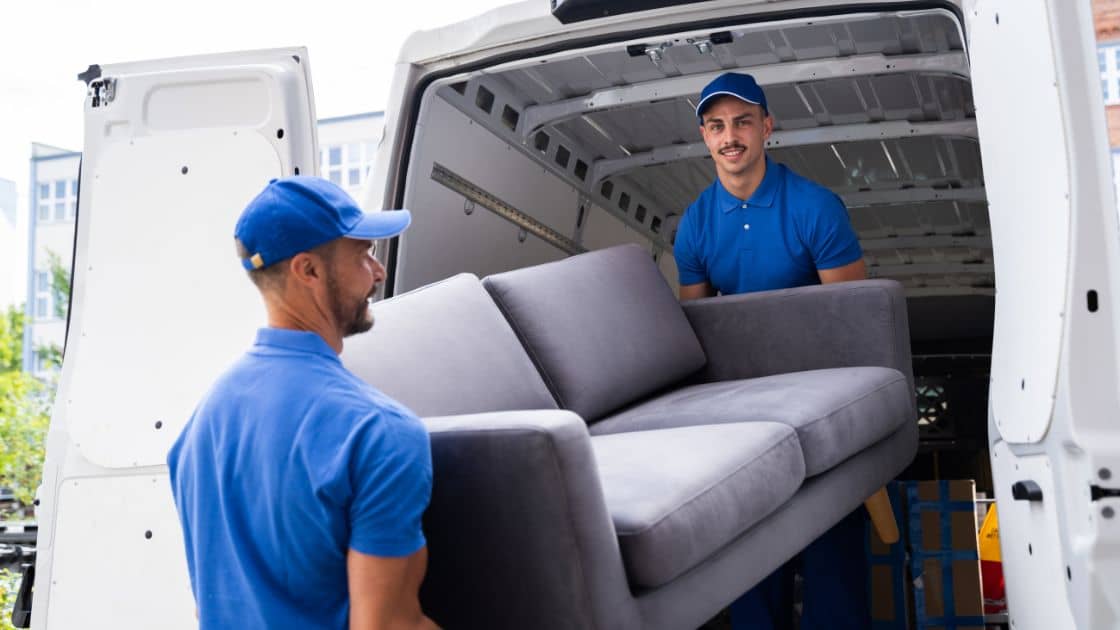
Packing and moving can feel overwhelming, especially when you’re relocating an entire household. Over the years, I’ve helped families move throughout Kemptville, Arnprior, and Carleton Place, and one thing has become very clear: the moves that feel smooth and efficient are always the ones that follow a structured plan.
Without a plan, moving becomes chaotic. Boxes get packed randomly, important items get misplaced, and moving day turns into a stressful rush. But when packing is done methodically and the move is organized step by step, everything becomes easier—from loading the truck to settling into the new home.
In this guide, I’m going to walk through the exact system I use to pack and move efficiently in Kemptville, Arnprior, and Carleton Place. This includes how I prepare weeks before moving day, how I pack strategically, how I protect furniture, and how I organize the entire moving process so that the transition into a new home feels calm and manageable.
This guide is especially helpful for anyone searching for:
Ottawa moving
moving company near me
movers in Kemptville
movers in Arnprior
movers in Carleton Place
local movers Ottawa
packing and moving services
residential movers near me
storage solutions Ottawa
moving help near me
Let’s start with the most important step: preparation.
Step 1: Start Planning Your Move Early
Efficient moves always begin with early preparation. When families start packing only a few days before moving day, the process becomes rushed and stressful.
For moves in Kemptville, Arnprior, and Carleton Place, I recommend beginning preparation four to six weeks before the move whenever possible. This gives enough time to organize belongings and pack gradually without disrupting daily routines.
Early preparation should include:
• Confirming the moving date
• Walking through the home to estimate how much will be moved
• Identifying large furniture pieces
• Gathering packing supplies
• Sorting items that can be donated or discarded
Starting early removes pressure from the final week.
Step 2: Declutter Before You Pack
One of the biggest lessons I’ve learned from helping people move is that many households pack items they no longer need.
Decluttering before packing saves time, reduces the number of boxes, and makes unpacking easier later.
Homes in Kemptville, Arnprior, and Carleton Place often have large basements, garages, and storage rooms. These areas can contain years of accumulated belongings.
Before packing, I recommend sorting through:
• Closets
• Basements
• Garages
• Storage shelves
• Spare bedrooms
• Kitchen cabinets
Create three simple categories:
Keep
Donate
Discard
Reducing unnecessary items makes the move more efficient.
Step 3: Gather the Right Packing Supplies
Having the right packing materials makes a huge difference in efficiency.
Before packing begins, I gather:
• Sturdy moving boxes in multiple sizes
• Packing tape
• Permanent markers
• Packing paper or protective wrapping
• Labels or colored stickers
• Scissors or box cutters
Using strong boxes and proper packing materials protects items during transport and prevents boxes from breaking.
Step 4: Use a Structured Packing System
Packing efficiently means packing in the right order.
Many people pack randomly, which leads to confusion and clutter. Instead, I follow a system that keeps everything organized.
Pack Storage Areas First
Basements, garages, and storage closets are usually packed first because they contain items that aren’t used daily.
These may include:
• Seasonal decorations
• Sports equipment
• Tools
• Extra furniture
• Storage boxes
Packing these areas early clears space and builds momentum.
Pack Spare Rooms and Decorative Items
Next, I move to areas that are not essential to everyday life.
This includes:
• Guest rooms
• Decorative items
• Bookshelves
• Artwork
• Lamps
• Rugs
Removing these items early makes the home easier to move through.
Pack Bedrooms in Stages
Bedrooms should be packed gradually.
Start with items that are not needed daily, such as:
• Off-season clothing
• Extra bedding
• Shoes
• Closet storage
Leave essential clothing and toiletries until the final days before moving.
Pack the Kitchen Last
The kitchen is one of the most frequently used areas in a home, so it should be packed last.
I usually pack it in sections:
• Pantry items
• Baking supplies
• Dishes and glassware
• Small appliances
Leaving a few basic items out for daily meals keeps life manageable during the final days before the move.
Step 5: Label Boxes Clearly
Clear labeling makes both moving and unpacking much easier.
Every box should include:
• The room it belongs to
• A short description of contents
• A fragile label if necessary
Examples include:
Kitchen – pantry
Bedroom – linens
Living room – decor
Bathroom – essentials
This simple step prevents confusion when unloading the truck and setting up the new home.
Step 6: Prepare Furniture for Moving Day
Furniture preparation is an important part of efficient moving.
Large furniture pieces should be prepared ahead of time to prevent delays on moving day.
Preparation may include:
• Disassembling bed frames
• Removing table legs
• Securing dresser drawers
• Wrapping delicate surfaces
• Protecting glass items
Many homes in Kemptville, Arnprior, and Carleton Place have multiple levels, which means large furniture must be carefully maneuvered through staircases and hallways.
Preparing furniture early helps avoid complications.
Step 7: Pack Fragile Items Carefully
Fragile items require extra protection during a move.
Common fragile items include:
• Dishes
• Glassware
• Mirrors
• Picture frames
• Decorative items
• Electronics
Each fragile item should be wrapped individually and packed tightly so that items do not shift during transport.
Boxes containing fragile items should always be clearly labeled.
Step 8: Prepare an Essentials Box
An essentials box contains items that will be needed immediately after arriving at the new home.
I always recommend keeping one box easily accessible with items such as:
• Toiletries
• Phone chargers
• Important documents
• Medications
• Basic kitchen items
• Snacks and water
• Cleaning supplies
Having these items readily available makes the first night in the new home much more comfortable.
Step 9: Follow an Organized Loading Plan
Loading the truck properly is key to protecting belongings and keeping the move efficient.
The loading process typically follows this order:
Large Furniture First
Heavy furniture pieces create the base of the load.
Examples include:
• Sofas
• Dressers
• Tables
• Mattresses
• Appliances
Medium Boxes and Smaller Furniture Next
Once the base layer is established, boxes and smaller items can be stacked safely.
Fragile Items Last
Fragile boxes are placed last so they remain accessible and protected during transport.
A balanced load prevents items from shifting while the truck is moving.
Step 10: Check Every Room Before Leaving
Before leaving the old home, it’s important to do a final walkthrough.
I always check:
• Closets
• Kitchen cabinets
• Bathroom drawers
• Basement corners
• Garage shelves
• Outdoor storage areas
These locations often contain forgotten items.
A final check ensures nothing gets left behind.
Step 11: Unload Strategically in the New Home
Just like loading the truck, unloading should also follow a plan.
Instead of placing boxes randomly, items should be placed in their designated rooms.
The unloading priority usually looks like this:
First – beds and bedroom furniture
Second – bathroom essentials
Third – kitchen items
Fourth – living room furniture
Last – storage boxes and non-essential items
This helps the new home become functional quickly.
Step 12: Focus on Setting Up the First Night
The first night in a new home is much easier when a few key areas are set up immediately.
These include:
• Beds and bedding
• Bathroom essentials
• Basic kitchen supplies
• Chargers and electronics
Once those essentials are ready, unpacking the rest of the home can happen gradually.
Common Packing Mistakes to Avoid
During many moves across Kemptville, Arnprior, and Carleton Place, I’ve seen several common mistakes.
These include:
Packing too late
Overfilling boxes
Not labeling boxes clearly
Forgetting essentials
Underestimating storage areas
Avoiding these mistakes makes the moving process far more efficient.
Why Efficient Packing Matters
Packing efficiently isn’t just about saving time on moving day.
It also:
• Protects belongings
• Reduces stress
• Makes loading faster
• Makes unpacking easier
• Helps families settle into their new home sooner
An organized packing system creates a smooth transition from one home to the next.
Final Thoughts
Moving efficiently in Kemptville, Arnprior, and Carleton Place is all about preparation, organization, and a structured approach.
Starting early, packing strategically, labeling clearly, and preparing furniture properly can transform a stressful move into a manageable process.
When each step is handled carefully, moving day becomes far less overwhelming, and the transition into a new home feels much smoother.
Packing and moving may always involve some effort, but with the right system in place, the process becomes far more efficient—and much easier for everyone involved.