
Moving tips
My Guide to Packing Fragile Items for Long Distance Moves
By TLC Moving & Storage · Published 4 May 2026
On a long distance move, there’s one concern I hear more than anything else: I can tell you this with confidence: most damage doesn’t happen because of the drive. It happens because of improper packing.
Why Fragile Items Need Special Attention in Long Distance Moves
That’s exactly why I’ve developed a clear, proven system for packing fragile items safely, so everything arrives exactly as it left.
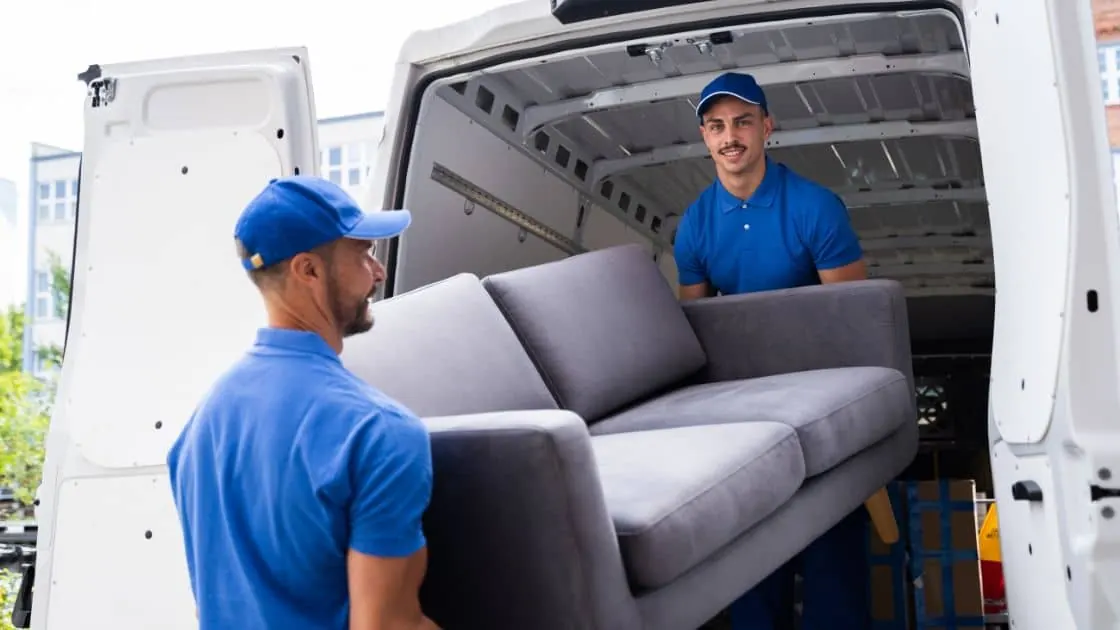
A local move might involve a short drive across Nepean or Westboro. A long distance move between Ottawa and Montreal is different. Your belongings will: be in transit longer; experience more movement during travel; be loaded and unloaded more carefully; require stronger protection overall. Fragile items like glassware, electronics, artwork, and antiques need to be packed with precision to prevent damage.
Step 1: Fragile items and the materials that protect them
Fragile items are the pieces that can crack or break in transit: glassware, electronics, artwork, antiques, mirrors and TVs.
This is where everything starts. I never cut corners when it comes to materials, especially for long distance moves. I always use: high-quality moving boxes; bubble wrap for cushioning; packing paper for wrapping delicate surfaces; foam inserts for extra protection; strong packing tape. Cheap materials are one of the biggest reasons items get damaged during a move.
Step 2: Wrapping Each Item Individually
One of the most common mistakes I see is people placing multiple fragile items in a box without proper separation. Every fragile item should be: wrapped individually; cushioned on all sides; protected from direct contact with other items. For example, when I pack dishes or glassware for families in Ottawa or Montreal, I make sure each piece is fully wrapped before it even goes into the box.
Step 3: Using the Right Box Size
Bigger isn’t always better. In fact, oversized boxes can increase the risk of damage because items shift more during transport. I always choose: smaller boxes for heavier fragile items; medium boxes for balanced loads; specialized boxes for items like dishes or electronics. This helps keep everything stable during long distance transport.
Step 4: Cushioning the Bottom and Top of Every Box
Before placing anything inside a box, I always create a protective base. That means: adding padding at the bottom of the box; placing items carefully inside; filling any empty space with packing material; adding another layer of cushioning on top. This prevents movement inside the box, which is one of the main causes of damage.
Step 5: Proper Labeling for Fragile Items
Labeling is something people often overlook. Every box containing fragile items should be clearly marked with: “FRAGILE”; “THIS SIDE UP”; room destination. When I handle moves across Ottawa, Barrhaven, Stittsville, or Montreal, labeling helps ensure every box is handled with the right level of care.
Step 6: Protecting Furniture and Large Fragile Items
Fragile items aren’t just small objects. Furniture, mirrors, TVs, and artwork also need protection. When I move these items, I use: protective blankets; shrink wrap; corner protectors; specialized handling techniques. For long distance moves between Ottawa and Laval, this step is essential to prevent scratches, cracks, or structural damage.
Step 7: Loading the Truck Strategically
Packing the box is only half the job. How it’s loaded matters just as much. I always:
Place heavier items at the bottom
Keep fragile boxes on top
Secure everything to prevent shifting
Distribute weight evenly across the truck
Step 8: Minimizing Movement During Transport
Even the best packing can fail if items move too much during transport. That’s why I focus on: tight packing inside the truck; using straps to secure items; avoiding empty gaps; driving carefully and consistently. When transporting items between Ottawa and Montreal, stability is everything.
Common Mistakes I Help People Avoid
Over the years, I’ve seen the same issues come up again and again. That’s why I always help clients avoid: using weak or reused boxes; skipping proper wrapping; overpacking boxes; leaving empty space inside boxes; not labeling fragile items; mixing heavy and delicate items together. Avoiding these mistakes can make a huge difference.
When I Recommend Professional Packing Services
There are times when professional packing is the best option. I usually recommend it when: you have a large number of fragile items; you’re planning a long distance move; you don’t have time to pack properly; you want maximum protection and peace of mind. For families moving from Ottawa to Montreal or Laval, this can remove a huge amount of stress.
Final Thoughts: Protecting What Matters Most
Packing fragile items isn’t just about wrapping things carefully. It’s about understanding how everything moves, shifts, and settles during a long distance move. From Kanata to Barrhaven, Nepean to Stittsville, and all the way to Montreal and Laval, I’ve seen how the right packing process can completely prevent damage and make the move feel effortless.
At the end of the day, it’s not just about getting your belongings from one place to another. It’s about making sure everything arrives safely so you can start your next chapter without worry.
Questions about moving with TLC
Why do fragile items need special attention on a long distance move?
A local move might involve a short drive across Nepean or Westboro. A long distance move between Ottawa and Montreal is different. Your belongings will: be in transit longer; experience more movement during travel; be loaded and unloaded more carefully; require stronger protection overall.
What packing materials should I use for fragile items?
This is where everything starts. I never cut corners when it comes to materials, especially for long distance moves. I always use: high-quality moving boxes; bubble wrap for cushioning; packing paper for wrapping delicate surfaces; foam inserts for extra protection; strong packing tape.
When should I use professional packing?
There are times when professional packing is the best option. I usually recommend it when: you have a large number of fragile items; you’re planning a long distance move; you don’t have time to pack properly; you want maximum protection and peace of mind.
Free estimate
Get your free estimate
Tell us about your move and we will come back with a free, obligation-free estimate. You can also call (613) 830-7402.