
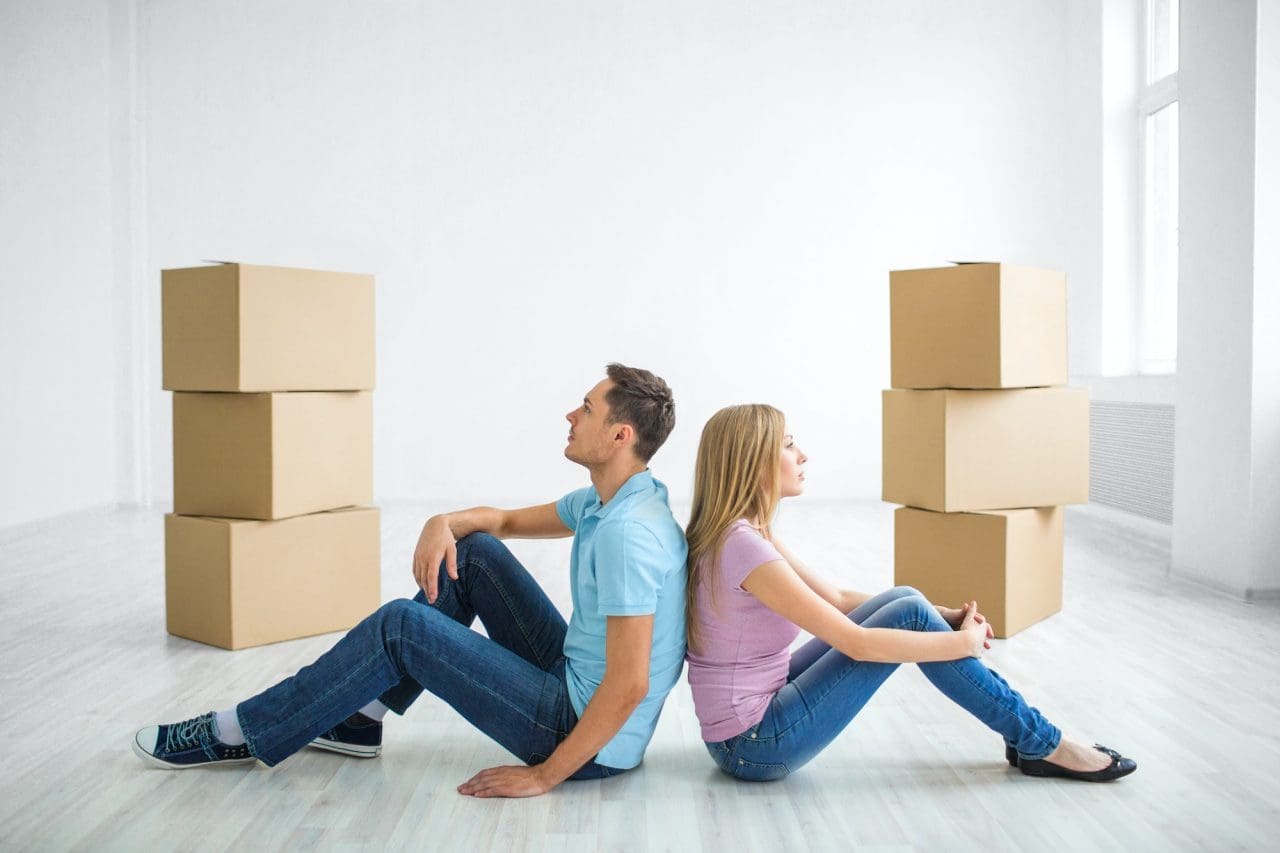


Packing is the part of moving that most people dread.
Not because it’s complicated, but because it’s easy to underestimate how long it takes, how exhausting it becomes, and how quickly a home can turn into a maze of half-packed boxes, scattered tape, and random piles of things you suddenly don’t know what to do with.
And when you’re moving in places like Kemptville, Arnprior, and Carleton Place, packing has its own unique challenges. These communities often mean larger homes, basements, garages, sheds, and a lot more “hidden storage” than people realize. It’s not unusual for someone to think they have a small move, only to discover that their garage, cold room, and basement workshop are basically a second house worth of belongings.
Over the years, I’ve developed a packing system that keeps moves organized, efficient, and calm. It’s the same system I use whether I’m helping a family relocate from Kemptville to Ottawa, moving a couple across Arnprior, or supporting a homeowner upgrading into a larger space in Carleton Place.
In this blog, I’m going to walk you through my step-by-step packing system from start to finish. It’s written in first person, and it’s designed to help you pack faster, protect your belongings better, and make unpacking feel simple instead of overwhelming.
This is for anyone searching for:
- Moving company near me
- Movers in Kemptville
- Movers in Arnprior
- Movers in Carleton Place
- Ottawa moving
- Packing and moving services
- Residential movers near me
- Local movers Ottawa
- Storage solutions
- Moving help near me
- Best movers for long-distance moves
- Moving supplies near me
- Packing tips for moving
Let’s get into the exact system I use.
Why Packing Matters More Than People Think
Most people believe moving day is the hard part.
In reality, packing is what determines whether your move is smooth or stressful.
When packing is done properly:
- Moving day is faster
- Furniture is easier to load
- Boxes stack properly
- Fragile items don’t break
- Nothing gets lost
- Unpacking is organized
- You don’t live out of random boxes for weeks
When packing is rushed or messy:
- Boxes collapse
- Items break
- The truck takes longer to load
- You lose essentials
- Your new home becomes chaos
- Stress carries over for weeks
Packing is not just preparation. Packing is the move.
Step 1: I Start With a Full Home Walkthrough (Before I Pack Anything)
Before I tape a single box, I walk through the entire home and identify what I’m really dealing with.
This is especially important in Kemptville, Arnprior, and Carleton Place because many homes have:
- Full basements
- Finished rec rooms
- Storage rooms
- Garages
- Outdoor sheds
- Workshops
- Attics or crawl spaces
- Large closets
The walkthrough helps me answer three important questions:
1. What is actually being moved?
Not what people think is being moved. What is truly being moved.
2. What should be donated or thrown out?
Packing junk wastes time and money.
3. What items need special care?
Fragile items, heavy items, awkward items, or sentimental items.
Once I know what’s in the home, the rest of the packing process becomes far more predictable.
Step 2: I Gather the Right Supplies (So Packing Doesn’t Slow Down)
One of the most common mistakes I see is people packing with whatever they have.
Random boxes. Weak tape. No labels. No protection.
Then the packing process becomes frustrating and slow.
Here’s what I always gather before packing:
Boxes (Strong and Consistent Sizes)
I use a simple system:
- Small boxes for heavy items (books, tools, canned goods)
- Medium boxes for most household items
- Large boxes only for light items (pillows, blankets, clothes)
Consistency matters because consistent boxes stack properly in the truck, which prevents crushing and damage.
Packing Tape (Quality Matters)
Cheap tape fails. When tape fails, boxes open, items spill, and stress skyrockets.
Packing Paper or Protective Wrap
This is essential for:
- Glassware
- Dishes
- Picture frames
- Decor
- Fragile kitchen items
Permanent Markers (More Than One)
I always use at least two markers because one always disappears mid-pack.
Labels (Optional, But Helpful)
If you want your unpacking to be fast, labels are worth it.
Step 3: I Create a “Do Not Pack” Zone Immediately
This is one of the simplest steps I take that prevents huge stress later.
Before packing begins, I create a clear “Do Not Pack” zone.
This zone includes:
- Keys
- Wallets
- Phone chargers
- Medication
- Important paperwork
- Laptop and work devices
- Kids school items
- Toiletries
- Snacks
- Cleaning supplies
- Anything needed daily
I put these items in one place and clearly mark them.
This prevents the classic moving-day nightmare: you need something important and it’s buried in a box labeled “bathroom.”
Step 4: I Pack in the Right Order (This Is the Core of My System)
Packing in the right order is the difference between calm and chaos.
Most people pack based on what they feel like doing. I pack based on strategy.
Here is the exact order I use.
Phase 1: Storage Areas First (Basement, Garage, Shed)
In Kemptville, Arnprior, and Carleton Place, storage areas are often where the most hidden clutter lives.
So I start here first.
This includes:
- Seasonal decor
- Camping gear
- Sports equipment
- Old furniture
- Tools
- Paint cans
- Extra kitchen items
- Boxes of “we’ll deal with this later”
Packing these early creates immediate space and momentum.
It also prevents the worst scenario: finishing the main house and then realizing you still have a garage full of heavy items two days before the move.
Phase 2: Guest Rooms and Spare Areas
Next I pack:
- Guest bedrooms
- Spare closets
- Office storage
- Extra linens
- Extra towels
- Bookshelves
These areas are easy to pack because they don’t disrupt daily life.
Phase 3: Living Room and Dining Room (Non-Essentials)
Then I pack:
- Decor
- Artwork
- Extra chairs
- Side tables
- Lamps
- Rugs
- Shelving items
I keep the core furniture until later, but I remove everything that isn’t necessary.
This makes the home feel less cluttered and safer to move through.
Phase 4: Bedrooms (Except Daily Essentials)
Bedrooms are tricky because people need them right up until moving day.
So I pack bedrooms in layers.
I pack:
- Off-season clothing
- Shoes you don’t wear often
- Extra bedding
- Closet storage
- Drawer contents that aren’t daily use
I leave out:
- A week of clothes
- Toiletries
- Daily essentials
- Kids comfort items
Phase 5: Kitchen and Bathrooms (Last)
The kitchen and bathrooms are always last.
Why?
Because you use them every day, and packing them too early creates chaos.
I pack the kitchen in zones:
- Pantry zone
- Baking zone
- Dishes zone
- Glassware zone
- Appliances zone
- Cleaning zone
This keeps everything organized and makes unpacking easier.
Step 5: I Pack By “Zones” Instead of Rooms
This is one of the biggest reasons my packing system works.
Most people label boxes “kitchen” or “bedroom.”
That’s not enough.
Instead, I label by zone.
Here’s what that looks like:
Kitchen
- Kitchen Pantry
- Kitchen Plates and Bowls
- Kitchen Glassware Fragile
- Kitchen Baking
- Kitchen Small Appliances
- Kitchen Cleaning
Bedrooms
- Bedroom Closet
- Bedroom Shoes
- Bedroom Decor
- Bedroom Books
- Bedroom Linens
Living Room
- Living Room Electronics
- Living Room Decor
- Living Room Books
Zones make unpacking faster because you can immediately group similar items together.
Step 6: I Use a Labeling System That Prevents Unpacking Misery
Labeling is one of the most underrated parts of packing.
Most people label too vaguely.
I label with a three-part system:
Room + Zone + Priority
Examples:
- Kitchen Pantry Open First
- Bathroom Essentials Open First
- Kids Room Toys Open Soon
- Basement Storage Open Later
- Living Room Decor Open Later
This makes the first week in the new home dramatically easier.
Step 7: I Pack Fragile Items Like I Expect the Road to Be Rough
Even if you’re moving locally within Arnprior, Kemptville, or Carleton Place, your items still experience:
- Shifting in the truck
- Vibrations from roads
- Sudden braking
- Tight turns
- Stacking pressure
So I pack fragile items like I’m preparing for the worst.
Dishes
I wrap individually and pack vertically.
Glassware
I wrap carefully and avoid overpacking.
Frames and Artwork
I protect corners and avoid stacking glass against glass.
Electronics
I keep cables together and label them clearly.
Fragile packing isn’t about being slow. It’s about being intentional.
Step 8: I Keep Weight Under Control (So Boxes Don’t Break)
A common mistake is packing boxes too heavy.
Heavy boxes cause:
- Broken bottoms
- Injuries
- Slow loading
- Unstable stacking
Here’s my rule:
If you can’t lift it comfortably, it’s too heavy.
Books, canned goods, and tools always go in small boxes.
Linens and pillows go in large boxes.
This keeps everything balanced and safe.
Step 9: I Create an “Essentials Kit” That Saves Moving Day
This is one of my favourite steps because it prevents stress immediately.
I create a moving essentials kit.
It includes:
- Toilet paper
- Hand soap
- Paper towels
- Garbage bags
- Basic cleaning supplies
- Phone chargers
- Snacks
- Water
- A few plates and cups
- Basic cutlery
- Medications
- A change of clothes
- Kids essentials
- Pet essentials (if applicable)
This kit stays separate and is the first thing available in the new home.
Step 10: I Pack Kids’ Items With a Special System
Families in Carleton Place, Kemptville, and Arnprior often have kids, and kids are the number one stress multiplier during a move.
So I pack kids items differently.
I pack:
- Toys by category
- Clothes by week
- School supplies separately
- Comfort items separately
I also keep a “kid survival bag” ready.
This includes:
- Favourite toy
- Favourite blanket
- Snacks
- Water bottle
- Pajamas
- A few books
Kids do better when they feel stable.
Step 11: I Handle Garages and Workshops With Extra Care
This is a big one in Arnprior and Carleton Place.
Garages often contain:
- Heavy tools
- Sharp items
- Oil and chemicals
- Sports equipment
- Bikes
- Storage bins
I pack garages last among storage areas, but early in the overall move timeline.
I also separate:
- Items that can be boxed
- Items that must stay upright
- Items that should not be transported together
This prevents leaks and damage.
Step 12: I Prepare Furniture for Moving Day While Packing
Packing isn’t just about boxes.
Furniture needs prep too.
I do things like:
- Remove loose shelves
- Bag hardware and label it
- Tape drawers shut properly
- Wrap fragile legs and corners
- Protect glass surfaces
This prevents damage and speeds up moving day.
Step 13: I Do a Final Packing Walkthrough Before the Move
The day before the move, I do a final walkthrough.
I check:
- Closets
- Bathroom cabinets
- Kitchen drawers
- Basement corners
- Garage shelves
- Outdoor storage
This prevents the classic issue: discovering random piles on moving day.
Step 14: I Pack So Unpacking Feels Easy, Not Overwhelming
Packing isn’t complete unless unpacking is considered.
So I pack in a way that makes the first week manageable.
I always prioritize:
- Bedrooms first
- Bathroom essentials
- Kitchen basics
- Kids rooms
- Work-from-home setups
The goal is not just to move.
The goal is to settle.
Why This Packing System Works for Kemptville, Arnprior, and Carleton Place
This system works because it matches the realities of these communities.
Homes here often include:
- More storage
- More garage space
- More furniture
- More seasonal items
- More outdoor gear
Without a real packing strategy, moves in these areas can feel bigger than expected.
But with the right system, packing becomes predictable and manageable.
Final Thoughts
If you’re planning a move in Kemptville, Arnprior, or Carleton Place, packing doesn’t have to feel like chaos.
A stress-free move comes down to:
- Packing early
- Packing in the right order
- Labeling clearly
- Protecting fragile items
- Keeping essentials separate
- Staying consistent
This is the exact packing system I use because it works.
It saves time. It prevents damage. It reduces stress. And it makes unpacking far easier.
Whether you’re searching for movers in Carleton Place, movers in Arnprior, movers in Kemptville, or simply a moving company near me, this packing system will help you feel more in control of your move from start to finish.